




24 mar Understanding cultural differences in gambling behavior across the globe
Understanding cultural differences in gambling behavior across the globe
The Impact of Culture on Gambling Norms
Gambling behavior is profoundly influenced by cultural norms and values, which dictate how societies perceive risk and reward. In some cultures, gambling is seen as a form of entertainment and social interaction, while in others, it may be viewed as a moral failing or a vice. For instance, in Western cultures like the United States, gambling has been widely accepted and even celebrated, with a vibrant casino industry and various forms of legalized betting. Contrastingly, in many Asian cultures, traditional beliefs and social stigma can discourage open participation in gambling activities. Today, many looking for an exciting gaming experience often turn to Winward Casino, where they can enjoy a plethora of options.

Understanding these cultural nuances is essential for operators and regulators in the gambling industry. By acknowledging these differences, businesses can tailor their marketing strategies, offer culturally relevant games, and promote responsible gambling. This cultural awareness not only enhances player satisfaction but also reduces the risk of alienating potential customers in diverse markets.
Legal Frameworks Influencing Gambling Behavior
The legal landscape surrounding gambling varies significantly from one country to another, shaping how individuals engage with gaming. In countries like the United Kingdom, where gambling is well-regulated, players enjoy a wide array of options, from online casinos to sports betting. These regulations often promote responsible gambling and ensure player protection. Conversely, in nations with stricter laws, such as many parts of the Middle East, gambling may be illegal or heavily restricted, leading to underground activities or alternative forms of gaming.
These varying legal frameworks can greatly impact gambling behavior. In regions where gambling is legal and regulated, participants may be more inclined to engage in responsible practices, whereas in locations with prohibitive laws, individuals might resort to riskier behaviors. This legal disparity necessitates a nuanced understanding of the gambling landscape, essential for stakeholders aiming to navigate global markets effectively.
The Role of Technology in Global Gambling Trends
Advancements in technology have revolutionized the gambling industry, leading to diverse behavioral patterns across the globe. Online gambling platforms have democratized access to gaming, allowing people from different cultural backgrounds to participate easily. However, the acceptance and adoption of online gambling vary widely by region. In countries like Australia and Canada, online casinos have gained significant traction, while in regions with more conservative views, such as certain Middle Eastern countries, online gambling remains taboo.
Moreover, technology has also influenced the types of games that are popular in various cultures. For example, skill-based games like poker may thrive in Western contexts, where competition and strategy are emphasized, while traditional games rooted in cultural heritage, such as mahjong in Asia, continue to captivate audiences. Understanding these technological influences helps businesses to innovate and cater to local preferences, enhancing user experience and engagement.
Social and Economic Factors Affecting Gambling Behavior
Social and economic factors play a critical role in shaping gambling behavior globally. In wealthier nations, gambling is often seen as a leisure activity, while in poorer regions, it may be perceived as a potential source of income or financial relief. This disparity creates distinct gambling cultures, where motivations for gambling can range from entertainment to necessity. Understanding these socioeconomic influences is vital for creating responsible gaming campaigns tailored to specific audiences.
Furthermore, social circles and peer influence can significantly affect individual gambling behavior. In cultures where group activities are emphasized, gambling may serve as a social bonding experience. Conversely, in more individualistic societies, personal goals and motivations may drive gambling choices. Recognizing these social dynamics allows for more effective communication and marketing strategies that resonate with diverse populations.
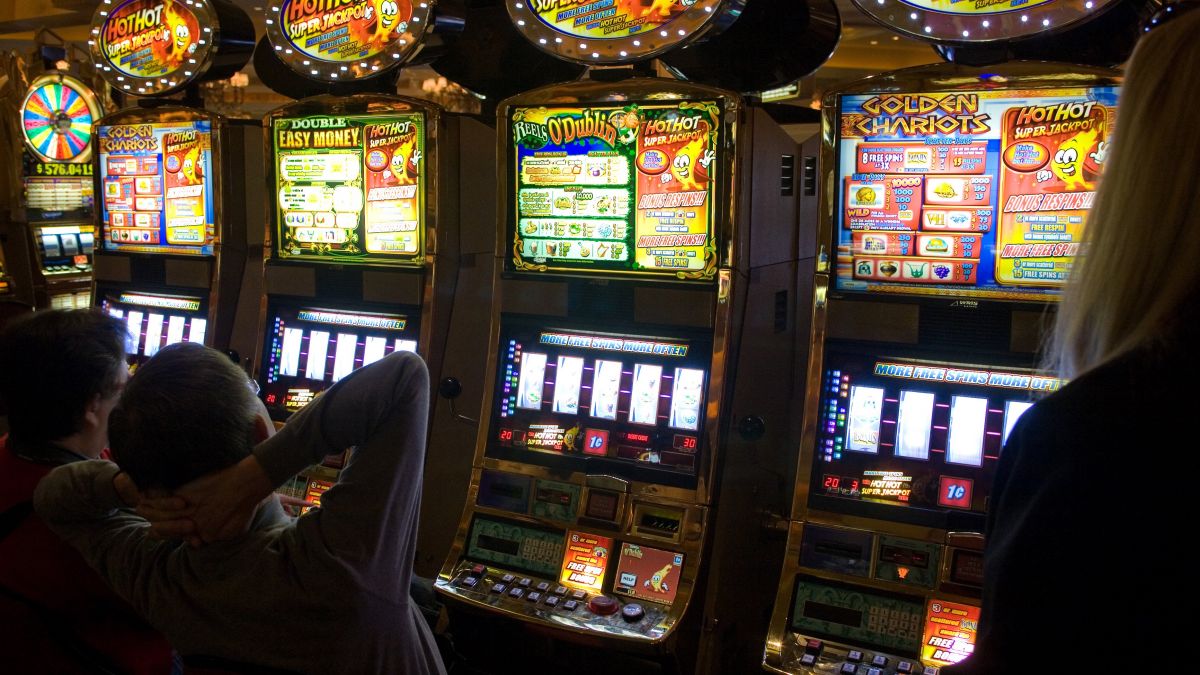
Exploring Global Online Gambling Trends
The rise of online gambling platforms has transformed the gambling landscape, opening new avenues for players worldwide. Online casinos, like Winward Casino Australia, provide users with a range of gaming options, from traditional casino games to innovative new experiences. The accessibility of these platforms has led to increased participation among varied demographic groups, fostering a more inclusive gambling environment.
At the same time, online gambling sites often adapt their offerings to align with local cultural preferences and legal stipulations. By offering region-specific games and promotions, such platforms can enhance user engagement and satisfaction. Understanding the interplay between culture and technology is crucial for companies aiming to thrive in the competitive online gambling market, as it enables them to attract and retain a diverse customer base.