



22 abr How social media shapes gambling behaviors in the digital age
How social media shapes gambling behaviors in the digital age
The Influence of Social Media on Gambling Trends
In the digital age, social media has become a powerful tool that significantly influences gambling behaviors. Platforms such as Facebook, Instagram, and Twitter allow casinos and betting companies to reach a vast audience. They promote their offerings through targeted advertisements and influencer collaborations, making gambling more accessible and appealing. As a result, potential gamblers are more likely to engage in online betting due to the prevalence of these advertisements in their daily feeds. Many individuals are exploring how to https://aviator-app.com.ng/ and other platforms, enhancing their experiences.

Moreover, social media provides a space for gamblers to share their experiences, victories, and strategies. This communal aspect fosters a sense of belonging among users and can encourage novice gamblers to participate. When individuals see their peers celebrating wins or discussing betting tips, they may feel more inclined to take the plunge into gambling themselves. The visibility of gambling stories can normalize the activity, making it seem less taboo and more socially acceptable.
Additionally, social media platforms often facilitate discussions surrounding various gambling games and apps, such as the Aviator App, which has captured the interest of many users. By showcasing fast-paced gameplay and the potential for real cash rewards, these platforms generate excitement and interest. The sharing of success stories and gameplay tips via social media can further enhance engagement, shaping users’ perceptions of gambling as an entertaining and potentially lucrative pastime.
The Role of Celebrity Endorsements
Celebrity culture significantly impacts gambling behaviors, especially through social media. High-profile celebrities often endorse casinos and betting brands, creating a glamorized image of gambling. This endorsement can persuade fans to engage in gambling activities, as they may believe that if their favorite stars are participating, it must be a desirable and profitable venture. The association with fame and wealth can make gambling more attractive and aspirational for many individuals.
Moreover, social media allows celebrities to showcase their gambling experiences, whether in casinos or through online platforms. By sharing images or videos of themselves winning big, they create an aura of excitement and thrill around gambling. This phenomenon can lead to increased participation from their fan base, as followers may be enticed by the potential for high-stakes rewards. The line between entertainment and reality can blur, making gambling seem like a fun and risk-free activity.
Furthermore, the excitement generated by celebrity stories can amplify the phenomenon of “celebrity gamblers.” Fans often follow these individuals closely, emulating their behaviors and lifestyles. This can lead to a shift in gambling perceptions, where fans feel encouraged to try their luck, believing that they too could achieve similar success. As more celebrities engage with gambling, the normalization of such behaviors may further influence public attitudes towards gambling.
The Impact of User-Generated Content
User-generated content plays a crucial role in shaping gambling behaviors through social media. Many platforms encourage users to share their own experiences, creating a wealth of information regarding various betting strategies and outcomes. This content often includes testimonials, reviews, and even tutorial videos that aim to educate and inform others about gambling. As a result, users are exposed to a wide range of perspectives and insights that can influence their own gambling choices.
Additionally, online communities centered around gambling create a supportive environment where individuals can engage with one another. These communities often share tips, tricks, and strategies that can enhance the gambling experience. This collaboration fosters a sense of camaraderie, making participants feel more confident about their decisions. The collective knowledge found within these communities can significantly impact the choices made by novice gamblers, guiding them towards certain games or strategies.
The presence of user-generated content also brings transparency to the gambling world. When individuals share their experiences, both positive and negative, it creates a more informed audience. Users can learn from the successes and failures of others, allowing them to make more educated choices. This shift toward transparency can lead to healthier gambling behaviors, as individuals are more aware of the risks involved and can strategize accordingly to enhance their enjoyment while minimizing potential losses.
Regulatory Challenges and Ethical Considerations
As social media continues to influence gambling behaviors, it raises important regulatory challenges and ethical considerations. The ease with which gambling companies can advertise on these platforms often leads to concerns about responsible gambling practices. With younger audiences being particularly susceptible to peer influence, the potential for addiction and irresponsible betting behaviors becomes a pressing issue. Striking a balance between promoting gambling as entertainment while ensuring adequate protections for vulnerable individuals remains a significant challenge.
Moreover, ethical considerations around advertising practices have emerged. Social media platforms must grapple with how to regulate gambling advertisements, especially those targeting minors or individuals with gambling problems. Ensuring that these advertisements do not glamorize gambling or mislead users about the odds of winning is essential. As the digital landscape evolves, it is crucial for regulators to keep pace with the rapid changes in how gambling is marketed and consumed.
Additionally, social media companies are faced with their own set of responsibilities. They must work to implement robust measures to promote responsible gambling and protect users from harmful practices. This includes creating awareness campaigns, setting limits on gambling advertisements, and providing resources for individuals seeking help. The intersection of social media and gambling necessitates a collaborative effort among stakeholders to foster a safe and responsible gambling environment.
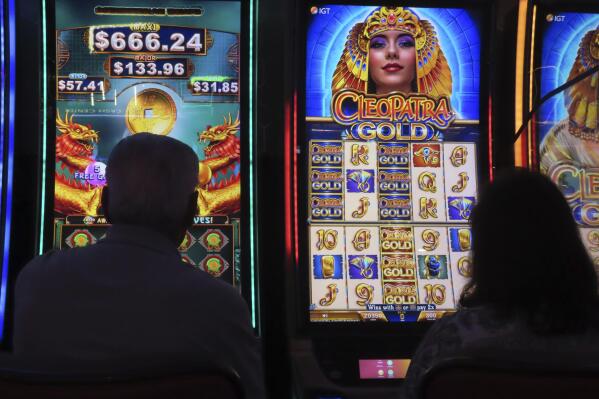
Exploring the Aviator App and Its Social Media Integration
In the context of social media’s influence on gambling, the Aviator App serves as an intriguing case study. This mobile gaming application has gained popularity among users in Nigeria, thanks to its fast-paced gameplay and potential for real cash rewards. The app’s design encourages sharing and engagement, allowing players to showcase their experiences on social media. This integration not only promotes the app but also facilitates discussions around gameplay strategies, thus enhancing user engagement.
Furthermore, the Aviator App utilizes social media platforms to create a sense of community among players. Users can share their successes, tips, and experiences, fostering a supportive environment that encourages participation. This communal aspect enhances the gaming experience, making it more enjoyable and socially interactive. The combination of strategy and excitement attracts users looking for new ways to engage with gambling in the digital age.
As the Aviator App continues to evolve, its integration with social media will likely play a crucial role in shaping user experiences. By leveraging the power of social media for promotion and community-building, the app aims to not only attract new users but also retain existing players. This strategy emphasizes the importance of social interaction in the modern gambling landscape, highlighting how digital platforms can influence behaviors and perceptions surrounding gambling.